

If you or someone you love has just been diagnosed with mesothelioma, this page is the place to start.
Mesothelioma is a rare and aggressive cancer of the mesothelium, the thin protective lining that wraps the lungs, the abdominal organs, the heart, and the testicles. Asbestos is by far its leading known cause. Before commercial asbestos use took off in the United States, the disease was rare; a review of 2,025 autopsies at New York's Mount Sinai Hospital between 1883 and 1910 found no cases.1 Today, about 2,700 new cases are reported in the United States each year (2,669 in 2022). Rates are slowly falling as asbestos exposure has declined, but new cases keep appearing because the latency period from first exposure to diagnosis commonly runs 20 to 50 years or longer.10 Many of the men and women being diagnosed in 2026 were exposed decades earlier, often from the 1960s through the 1980s — on construction sites, in shipyards, in refineries, in mechanical rooms, and at home, on work clothes carried in by a husband, a father, or a brother.

(Anatomy of the mesothelium showing the four locations where mesothelioma can develop: pleura around the lungs, pericardium around the heart, peritoneum lining the abdomen, and tunica vaginalis around the testicles.)
Because asbestos is behind most mesotheliomas, many patients have claims against sources that exist specifically because of this disease. The bankruptcy trusts of asbestos manufacturers were set up to pay people harmed by those companies' products; a person may qualify for one or more of them if the trust's medical, exposure, and timing requirements are met, and one work history often supports claims against several.
That matters because the best mesothelioma care is expensive. Surgery at a specialized center, immunotherapy that insurance may not fully cover, and the travel and lodging that come with both add up quickly, and what insurance covers doesn't always match what gives a patient the best chance. Compensation can help close that gap. It isn't an undeserved windfall; for many families it's how they afford to say yes to the best care available.
You don't have to remember every job site or every product to start. Decades of research have mapped where the disease came from, and we can usually reconstruct the exposure history from work records, union records, and our internal exposure database, even when the work happened forty or fifty years ago. If your loved one was in the trades, the shipyards, the military, or a refinery, or lived with someone who was, we have a starting point. Today's mesothelioma care is also meaningfully better than it was even five years ago. What you need to begin is a phone call, not a full file.
In this guide:
- What mesothelioma is, and how asbestos causes it
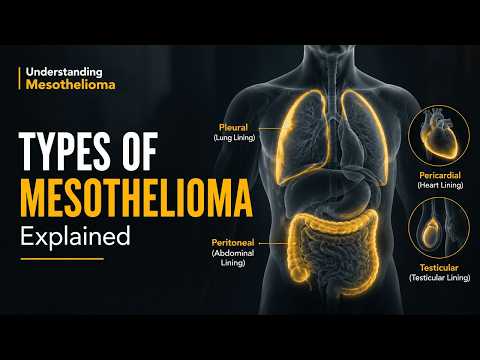
- Types of mesothelioma by location
- Types by cell type (histology)
- How mesothelioma is diagnosed
- How mesothelioma is treated
- How a typical case unfolds
- Sources of compensation for mesothelioma
- Mesothelioma FAQ
Mesothelioma: quick answers
| Question | Plain-English answer |
|---|---|
| What is mesothelioma exactly? | Mesothelioma is a cancer of the mesothelium, the thin membrane that lines and protects the lungs, the abdominal organs, the heart, and the testicles. It's rare, with about 2,700 new cases reported in the United States each year, and asbestos exposure that happened decades earlier is its leading known cause. The disease commonly takes 20 to 50 years or more to develop after the initial exposure, which is why people are still being diagnosed in 2026 from work they did decades ago, often in the 1960s, 70s, and 80s. |
| Is mesothelioma always caused by asbestos? | Not always, but asbestos is by far the leading known cause, and no safe level of exposure has been identified. Mesothelioma is often called a "signal tumor" because a diagnosis is a strong reason to look for past asbestos exposure, even when none is remembered. A small number of cases involve other factors, such as an inherited BAP1 variant or radiation therapy for an earlier cancer, and some have no identified cause. Many people never knew they were exposed, through a family member's work clothes, an unlabeled product, or a job decades ago; a structured investigation can help rule asbestos in or out, and whether it caused one person's disease is an individual question. |
| What are the different types of mesothelioma? | There are four, named for where the cancer develops: pleural (in the lining around the lungs, by far the most common at about 81 percent of U.S. cases), peritoneal (in the abdominal lining, about 11 percent), pericardial (around the heart, about 0.2 percent), and testicular (around the testicles, also about 0.2 percent), as shares of U.S. cases reported from 2003 through 2022; about 7.5 percent were coded to other or unspecified sites.10 Each type has its own symptoms, diagnostic path, treatment options, and prognosis. Treatments and outcomes have improved most dramatically for peritoneal mesothelioma in recent years. |
| Why does the cell type in my pathology report matter? | Cell type, called histology, is one of the most important pieces of information in a mesothelioma diagnosis. Tumors are classified as epithelioid (about 6 in 10 cases, generally the best prognosis), sarcomatoid (about 1 in 10, the most aggressive, with fewer treatment options), or biphasic (about 3 in 10, a mix of the two).11 The same disease behaves very differently depending on cell type, and it affects everything from surgical eligibility to clinical trial access. If your pathology report doesn't specify the histology, ask for clarification. |
| Does where I get treated change my outcome? | It can make a real difference. Mesothelioma is rare enough that most general oncologists see only a few cases a year, while specialty programs see it regularly. In a national study of peritoneal mesothelioma, patients treated at academic centers were about twice as likely to have surgery, and unadjusted five-year survival was 29.7 percent versus 18.3 percent at community centers; studies like this can't fully separate the hospital's effect from differences between patients.13 Getting to an experienced team is one of the most important decisions a patient and family make. |
| How long do people live with mesothelioma? | The honest answer depends heavily on type, stage at diagnosis, cell type, and where the patient is treated. Survival has improved meaningfully in the past decade, especially for peritoneal mesothelioma: in a 2024 multi-center study, median survival among patients who had CRS-HIPEC was about 44 months, and some patients live many years.12 Pleural mesothelioma is harder to treat, but immunotherapy has extended survival for many patients, and a meaningful subset achieve long-term disease control. Statistics describe averages across thousands of patients; they aren't predictions for any individual. |
| Do I have a legal case if I have mesothelioma? | Often, yes. Because asbestos is behind most mesotheliomas, and because many of the companies that made and sold asbestos products knew of the danger for decades, many mesothelioma patients have claims. Families with claims often have more than one source: the bankruptcy trusts of asbestos manufacturers, lawsuits against still-solvent companies, and benefits like VA disability compensation for veterans whose disease VA connects to their service. You don't have to remember which products you were exposed to; we help reconstruct that. Every claim depends on the evidence and the law that applies. |
You don't need the product names or old records. No fee unless we recover compensation for your family.
“I started this firm after learning that the cancers that killed my father and grandparents were caused by asbestos, something we did not realize until it was too late to hold anyone accountable. That experience is why we built this site: so that no other family misses their chance to ask the questions, hear the options, and decide for themselves what to do.”
Browse A–Z
P
- Pericardial Mesothelioma
- Peritoneal Mesothelioma: What It Is, How It's Diagnosed, and How It's Treated
- Peritoneal Mesothelioma in Women: Diagnosis, Talc Exposure, and Legal Options
- Peritoneal Mesothelioma Treatment Options in 2026
- Pleural Mesothelioma: What It Is, How It's Diagnosed, and How It's Treated
- Pleural Mesothelioma Treatment Options in 2026
What mesothelioma is, and how asbestos causes it
The mesothelium is a thin layer of cells that lines the body's internal cavities and wraps its major organs. It produces a small amount of lubricating fluid that lets the lungs expand and contract during breathing, lets the heart beat without friction against surrounding tissue, lets the abdominal organs move past each other during digestion, and lets the testicles move within the scrotum. Most people never know this membrane exists because it's barely noticeable in healthy life. Mesothelioma is the cancer that develops when something disrupts the cells of that membrane permanently, and in most cases that something is asbestos.
The medical and regulatory consensus on the asbestos–mesothelioma link is unusual in its strength. The World Health Organization classifies all forms of asbestos, including chrysotile, as carcinogenic to humans, and estimates, based on 2016 data, that occupational asbestos exposure causes more than 200,000 deaths globally each year.2 The International Agency for Research on Cancer places asbestos in Group 1, the category for confirmed human carcinogens, and recognizes no safe threshold of exposure for mesothelioma.3 The U.S. EPA finalized a ban on the remaining commercial uses of chrysotile asbestos in March 2024, with use-specific phaseouts, citing the cancer risk explicitly; the rule doesn't remove asbestos already in older buildings and products.4
No credible national health authority disputes that asbestos causes mesothelioma. Even in Russia, the world's largest asbestos producer, the long-term Asbest Chrysotile Cohort Study, run by IARC with Russia's national occupational-health institute at the country's largest chrysotile mine, found increased mesothelioma mortality at the highest exposure levels, though based on only 13 deaths.5 What dissent exists has largely come from asbestos-industry groups, and their argument is usually that chrysotile can be "used safely" under workplace controls, not that asbestos doesn't cause cancer.
How asbestos fibers cause mesothelioma
Asbestos fibers are microscopic, sharp, and chemically stable in ways that turn out to be devastating in the human body. When asbestos-containing material is disturbed by being cut, sanded, drilled, demolished, or simply worn down with age, it releases fibers into the air. The largest fibers are typically caught by the body's upper-airway defenses and cleared. The thinnest and longest fibers, the ones too small to see, slip past those defenses, travel deep into the lungs, and penetrate the pleural lining. From there they may migrate to other mesothelial surfaces (the peritoneum, the pericardium) via lymphatic and bloodstream transport. Once embedded, many fibers, especially the amphibole types, stay for decades or for life; the body has no reliable way to break them down or push them back out.
Researchers describe what can follow that initial deposition as a slow, multistep process that takes decades; the picture below is simplified, and most exposed people never develop mesothelioma:
- Chronic inflammation. The immune system recognizes the embedded fibers as foreign and mounts an immune response. Because it can't destroy or remove them, the inflammation can persist, injuring the surrounding tissue year after year.
- Direct cell damage. Asbestos fibers are physically rigid and sharp. They puncture cell membranes, disrupt cell division, and trigger cell death. Each injury creates a need for repair, and each repair cycle is an opportunity for something to go wrong.
- Genetic mutations. Over enough time, the sustained damage reaches the cell's DNA. The genes most commonly mutated in mesothelioma (BAP1, CDKN2A, and NF2) are tumor suppressors, meaning they normally regulate cell growth and trigger cell death when something goes wrong. When they're disabled, the brakes come off. Cells that should stop dividing keep dividing. Cells that should be eliminated survive. Eventually, a tumor forms.6

The latency period
The time between first asbestos exposure and a mesothelioma diagnosis is commonly 20 to 50 years, with documented cases exceeding 70. In asbestos-related disease generally, both the dose and the time since exposure matter; one classic analysis of asbestos-cement workers built both into a single exposure measure.7 For mesothelioma, some studies suggest heavier exposure is associated with somewhat shorter latency, but latency varies widely from person to person, and most people are diagnosed later in life.
This is part of why U.S. mesothelioma rates have fallen only slowly even though asbestos exposure peaked in the 1970s and has declined sharply since: cases from decades-old exposure are still reaching diagnosis.10 It's also part of why the people being diagnosed today tend to be older. And the long latency is also why asbestos companies were able to conceal the danger for as long as they did: by the time workers started getting sick, the connection to their exposure was decades behind them, on jobsites that had been demolished, with products that had been discontinued, made by companies that had moved on or filed for bankruptcy.
Other potential causes of mesothelioma
Asbestos causes the overwhelming majority of mesotheliomas, but a small number of cases involve additional factors.
Genetic susceptibility (BAP1 and related mutations). Inherited mutations in the BAP1 gene impair the body's ability to repair DNA damage and predispose carriers to mesothelioma and a few other cancers. Families with confirmed BAP1 mutations have elevated mesothelioma rates. People with inherited variants may develop mesothelioma after lower asbestos exposure, which may help explain why some people develop the disease after relatively modest exposure while others with heavier exposure don't, and a genetic finding does not by itself establish that asbestos played no contributing role. A trust applies its own medical, latency, and exposure criteria; in a lawsuit, the significance of a genetic finding depends on the medical evidence and the governing law, including the general rule that a defendant takes an injured person as it finds them, sometimes called the "eggshell skull rule."
Therapeutic radiation. High-dose radiation to the chest or abdomen for treatment of an earlier cancer (Hodgkin lymphoma is the most documented example) is an independent cause of mesothelioma in a small number of cases. Radiation-induced mesothelioma has a shorter latency than asbestos-related disease and develops in the radiation field rather than following the diffuse pattern typical of fiber exposure.
"Idiopathic" mesothelioma. A small percentage of mesothelioma cases are classified as idiopathic, meaning no exposure history can be documented. But the absence of a documented exposure isn't the same as the absence of an exposure. Self-reporting is unreliable. In one small study of 38 pleural mesothelioma patients, researchers used electron microscopy to measure asbestos in lung tissue; 11 of the 18 patients who reported no exposure (61 percent) had asbestos levels above the researchers' threshold for exposure (0.5 million fibers per gram of dry lung).6 They hadn't known.
Because no safe threshold for asbestos exposure has been established, even exposure a person thought was brief or minor can matter. Whether a particular exposure caused a particular person's disease is an individual question that depends on the evidence; trusts apply their own exposure and latency criteria, and courts apply the law of the state.
Types of mesothelioma by location
Mesothelioma is classified first by where in the body it develops. Location determines the symptoms a patient experiences, how the disease is diagnosed, which treatments are available, and what survival looks like. Each type is named for the mesothelial membrane where the cancer starts.
Pleural mesothelioma (around the lungs)
Pleural mesothelioma forms in the pleura, the two-layered membrane around the lungs and the inner chest wall. It accounts for about 81 percent of U.S. mesothelioma diagnoses10 and is the type most directly tied to inhaled asbestos fibers, which lodge in the pleural lining after penetrating the deep lung. Patients typically present with shortness of breath, chest pain, persistent cough, and pleural effusion (fluid buildup between the pleural layers, often the first thing to show on imaging). Treatment combines some mix of chemotherapy with pemetrexed and cisplatin or carboplatin, immunotherapy with checkpoint inhibitors, which has become a standard first-line option, and, for carefully selected patients, surgery (most commonly pleurectomy/decortication), which has been offered far more selectively since the MARS2 randomized trial. Read more about pleural mesothelioma.
Peritoneal mesothelioma (in the abdomen)
Peritoneal mesothelioma develops in the peritoneum, the membrane lining the abdominal cavity and covering the abdominal organs, and accounts for about 11 percent of U.S. cases.10 Fibers are thought to reach the peritoneum after being inhaled and carried there, or after being swallowed, and in some women through long-term use of asbestos-contaminated talc. Patients typically present with abdominal pain, bloating, ascites (fluid buildup in the abdomen), and unexplained weight loss. The standard treatment for eligible patients is cytoreductive surgery combined with heated intraperitoneal chemotherapy (CRS-HIPEC), which has transformed outcomes in this disease. In a 2024 multi-center study, median survival after CRS-HIPEC was about 44 months, and some patients live many years after treatment.12 Read more about peritoneal mesothelioma. For women whose exposure may have come through asbestos-contaminated talc rather than occupational sources, see our guide to peritoneal mesothelioma in women.
Pericardial mesothelioma (around the heart)
Pericardial mesothelioma is extremely rare, accounting for about 0.2 percent of U.S. cases.10 It develops in the pericardium, the membrane surrounding the heart, and is often diagnosed late, sometimes only at autopsy, because its symptoms (chest pain, irregular heartbeat, pericardial effusion, progressive shortness of breath) overlap with common cardiac conditions. Treatment options are limited by the anatomy of operating near the heart, and the approach is usually palliative, focused on managing symptoms and controlling fluid buildup. When surgery is feasible, it may involve removal of the pericardium (pericardiectomy) combined with systemic chemotherapy. Read more about pericardial mesothelioma.
Testicular mesothelioma (around the testicles)
Testicular mesothelioma is also extremely rare, about 0.2 percent of U.S. cases,10 and develops in the tunica vaginalis, a mesothelial membrane that surrounds each testicle and forms during embryonic development as a direct extension of the peritoneum. Most patients present with painless scrotal swelling or a hydrocele (fluid around the testicle) that's initially assumed to be benign, and the cancer is frequently discovered only during or after surgery for what was thought to be a routine condition. A 2025 Memorial Sloan Kettering series of 36 patients treated at that center reported a median overall survival of 4.5 years. It was small and retrospective, with no comparison group, so it shows that long survival is possible at a specialty center rather than proving what caused it.8 Read more about testicular mesothelioma.
Asbestos is the dominant known cause of pleural and peritoneal mesothelioma: fibers that reached the mesothelium through inhalation, ingestion, or internal transport, often decades before any symptoms appeared. For the much rarer pericardial and testicular forms, the evidence base is far smaller and a documented exposure history is found less often, though asbestos remains the leading suspected cause and is worth investigating.
Types of mesothelioma by cell type (histology)
In addition to location, mesothelioma is classified by its histological subtype, meaning the type of cells that make up the tumor under the microscope. Histology is determined by a pathologist examining tissue obtained by biopsy, and it's one of the most consequential pieces of information in a patient's diagnosis. Cell type influences how fast the cancer grows, how it responds to treatment, which clinical trials a patient may qualify for, and what survival outcomes are realistic.
Epithelioid mesothelioma
Epithelioid is the most common subtype, accounting for about 6 in 10 cases.11 Its cells are relatively uniform and tend to grow in organized patterns (sheets, tubules, or papillary structures) that resemble normal tissue more closely than the other subtypes do. Epithelioid mesothelioma tends to grow more slowly and generally responds better to chemotherapy and surgery than the other subtypes, and patients with epithelioid histology generally have the most favorable prognosis. Read more about epithelioid mesothelioma.
Sarcomatoid mesothelioma
Sarcomatoid mesothelioma accounts for about 1 in 10 cases and is the most aggressive subtype. Its cells are spindle-shaped and arranged in a disorganized, fibrous pattern that bears little resemblance to healthy mesothelial tissue. That disorganization reflects the biology: sarcomatoid cells spread rapidly through surrounding structures and resist standard chemotherapy. Surgery is rarely recommended. Immunotherapy with checkpoint inhibitor combinations has produced more meaningful responses in sarcomatoid tumors than chemotherapy ever did, and it has reshaped what's possible for patients with this histology, though median survival remains the shortest of any subtype. Read more about sarcomatoid mesothelioma.
Biphasic (mixed) mesothelioma
Biphasic mesothelioma contains both epithelioid and sarcomatoid cells within the same tumor and accounts for about 3 in 10 cases. Tumors with a larger sarcomatoid component have generally done worse in studies. A pathologist may estimate the proportion of each component, but the estimate comes from the sample examined and isn't a precise treatment formula. A small biopsy sample may not be representative of the full tumor, which is one reason multiple biopsies from different areas are preferred when biphasic disease is suspected. Read more about biphasic mesothelioma.
Cell type interacts with location. The same histology can behave differently depending on where the cancer is, so the patterns in the table below describe broad averages across all locations rather than predictions for any individual patient.
| Subtype | Share of cases | Behavior | Treatment response | Prognosis |
|---|---|---|---|---|
| Epithelioid | About 6 in 10 | Slower-growing, organized | Best response to surgery and chemotherapy | Best overall survival |
| Sarcomatoid | About 1 in 10 | Aggressive, disorganized, fast-spreading | Limited response to chemotherapy; immunotherapy has helped more | Shortest median survival |
| Biphasic | About 3 in 10 | Mixed | Variable | Intermediate |
How each subtype looks under the microscope, with broad overall frequencies; the drawings are simplified illustrations, not microscope images
Frequencies: American Cancer Society. They are broad estimates and vary by anatomical site, study population, and whether the sample is a small biopsy or a larger resection. Subtype is one factor among many; it does not by itself set treatment or predict an individual outcome.11
If you or someone you love has been diagnosed with mesothelioma, ask your doctor whether the histological subtype has been determined and which one it is. It affects treatment planning, prognosis, clinical trial eligibility, and how to interpret survival statistics. If the pathology report is unclear or the subtype hasn't been specified, request clarification or a second opinion from a pathologist with mesothelioma experience. In a disease this rare, the precision of the diagnosis matters more than at almost any point in the treatment journey.
How mesothelioma is diagnosed
Mesothelioma is genuinely difficult to diagnose, especially in its early stages, because its symptoms overlap with much more common conditions. Pleural mesothelioma mimics pneumonia, COPD, and lung cancer. Peritoneal mesothelioma is mistaken for irritable bowel syndrome, ovarian cancer (which can also be caused by asbestos), or liver disease. Pericardial mesothelioma looks like congestive heart failure. Testicular mesothelioma is often first mistaken for a benign hydrocele before the cancer is discovered. Many patients spend months being evaluated for the wrong condition before the right diagnosis is reached.
Accurate diagnosis usually involves a combination of imaging, fluid testing, tissue biopsy, and specialized pathological analysis. Each step plays a different role, and for most patients, a tissue biopsy is needed to reach a definitive diagnosis.
Imaging
Diagnosis often begins with imaging ordered to investigate unexplained symptoms. A contrast-enhanced CT scan is the standard first-line study for both pleural and peritoneal mesothelioma, and it can identify pleural thickening, pleural effusions, peritoneal nodules, ascites, and suspicious masses. CT gives a preliminary picture of disease extent but can't confirm the diagnosis on its own, because the findings that suggest mesothelioma are also consistent with other conditions.
PET-CT combines anatomical and metabolic imaging to identify areas of active tumor growth and can detect metastatic disease that CT alone may miss. MRI provides superior soft-tissue detail and is particularly valuable for evaluating tumor invasion into the diaphragm, chest wall, or bowel surfaces. Ultrasound is often used to guide diagnostic procedures like thoracentesis or paracentesis, and in testicular mesothelioma it's typically the first imaging study performed to evaluate scrotal swelling.
No combination of imaging studies can definitively diagnose mesothelioma. Imaging identifies where to look for tissue to biopsy. A biopsy usually confirms the diagnosis.
Fluid testing
In many mesothelioma cases, fluid collects in the body cavity where the tumor is growing: pleural effusion in the chest, ascites in the abdomen, pericardial effusion around the heart, or hydrocele fluid around the testicle. Draining this fluid through thoracentesis, paracentesis, pericardiocentesis, or aspiration serves both therapeutic and diagnostic purposes: it relieves symptoms and provides a sample that can be examined for cancer cells.
However, the reported sensitivity of fluid cytology for mesothelioma varies widely and is often low, so a negative result doesn't rule it out. The malignant cells present in fluid are often difficult to distinguish from benign reactive mesothelial cells and from the cells of other cancers. Fluid analysis is useful as a preliminary step; in selected patients who can't undergo biopsy, cytology with additional testing can sometimes support a diagnosis, but for most patients it isn't enough on its own.
Biopsy: the gold standard
A tissue biopsy is the preferred route to a definitive mesothelioma diagnosis for most patients. The specific approach depends on the type and location of disease.
For pleural mesothelioma, video-assisted thoracoscopic surgery (VATS) is the preferred method, allowing the surgeon to visualize the pleural cavity directly, obtain multiple tissue samples, and in some cases perform therapeutic procedures during the same session. VATS produces diagnostic sensitivity approaching 95 percent. For peritoneal mesothelioma, diagnostic laparoscopy serves a dual function: it confirms the diagnosis through targeted biopsies and simultaneously assesses the Peritoneal Cancer Index, which determines surgical candidacy for CRS-HIPEC. CT-guided needle biopsy is an alternative when minimally invasive surgery isn't feasible, though it yields smaller samples that may limit the pathologist's ability to determine histological subtype. For testicular mesothelioma, diagnosis is typically made on tissue obtained during orchiectomy.
Pathology and immunohistochemistry
Once tissue is obtained, a pathologist examines it under a microscope and performs immunohistochemical (IHC) staining to confirm the diagnosis and distinguish mesothelioma from cancers that can mimic it. Commonly used markers of mesothelial origin include calretinin, WT-1, cytokeratin 5/6, and D2-40, and markers such as CEA, MOC-31, BerEP4, and TTF-1 help rule out adenocarcinomas and other tumors; which markers are used, and how they're read, depends on the tumor and what it must be distinguished from, and tests such as BAP1 or MTAP can help separate mesothelioma from benign changes. When the specimen permits, the pathology report will also identify the histological subtype (epithelioid, sarcomatoid, or biphasic), which shapes treatment decisions.
If there's any uncertainty about the diagnosis, request a second opinion from a pathologist with specific mesothelioma experience. Misdiagnosis has real consequences: different cancers require different treatments, and a patient treated for the wrong disease is losing time they can't afford to lose. Second-opinion pathology review is standard practice for rare cancers, and your medical team should support it.
For diagnostic information specific to each type of mesothelioma, see the disease-location pages: pleural mesothelioma, peritoneal mesothelioma, pericardial mesothelioma, and testicular mesothelioma.
How mesothelioma is treated
Treatment for mesothelioma depends on where the cancer is located, how far it has spread, the histological subtype, and the patient's overall health. Treatment is usually planned by a team with mesothelioma experience and may combine chemotherapy, immunotherapy, surgery for carefully selected patients, and sometimes radiation, tailored to the individual patient. While mesothelioma is rarely curable in the traditional sense, modern treatment strategies are extending survival, reducing symptoms, and improving quality of life in ways that weren't possible even a decade ago.
Where you're treated can matter. In a national study of 2,682 peritoneal mesothelioma patients, those treated at academic centers were about twice as likely to have surgery, and unadjusted five-year survival was 29.7 percent versus 18.3 percent at community centers; the association held after the researchers accounted for measured differences, though an observational study can't prove the hospital caused the difference.13 The rarity of mesothelioma means that the institutional experience, surgical volume, multidisciplinary tumor boards, and clinical trial access that matter in this disease are concentrated at a small number of centers. Getting your loved one to the right team is often the most consequential decision a family makes.

The four main treatment modalities
Surgery is the most aggressive option. Which patients are candidates depends on where the cancer is: for pleural mesothelioma, tumor-removing surgery is generally reserved for carefully selected patients with early-stage, epithelioid disease and sufficient health to tolerate a major procedure, while for testicular mesothelioma surgery is the main treatment. For pleural mesothelioma, the main operation is pleurectomy/decortication (P/D), which removes the pleural lining while preserving the lung; the more radical extrapleural pneumonectomy (EPP) has largely fallen out of favor at major centers. Since the MARS2 randomized trial, which found worse outcomes with extended P/D plus chemotherapy than with chemotherapy alone, pleural surgery is offered far more selectively, and being able to remove a tumor doesn't by itself mean surgery will help. For peritoneal mesothelioma, cytoreductive surgery (CRS) removes all visible tumor from the abdominal cavity. When surgery is part of the plan, it's usually combined with chemotherapy or other treatment chosen for the disease site and the patient.
Chemotherapy with pemetrexed and cisplatin (or carboplatin in patients who can't tolerate cisplatin) has been a standard systemic regimen for more than two decades. It slows tumor growth, relieves symptoms, and can extend survival when surgery isn't an option. It's also used before surgery to shrink tumors and after surgery to address residual disease. In peritoneal mesothelioma, chemotherapy is sometimes delivered heated and directly into the abdomen during surgery (HIPEC), which has transformed outcomes in this form of the disease.
Immunotherapy has emerged as one of the most significant developments in mesothelioma treatment in recent years. The combination of nivolumab and ipilimumab, which are checkpoint inhibitors that help the immune system recognize and attack cancer cells, received FDA approval for unresectable pleural mesothelioma in 2020 and has become a standard first-line option for many patients who aren't surgical candidates; pembrolizumab with chemotherapy was approved as another first-line option in 2024. For a subset of patients, particularly those with non-epithelioid histology, immunotherapy has produced responses that outlast what chemotherapy alone achieves.
Radiation plays a more limited role in mesothelioma than in many other cancers because of the proximity of the tumor to critical structures in the chest. It's most commonly used as an adjunct following surgery or to manage specific areas of pain or tumor growth.
Treatment by mesothelioma type
For pleural mesothelioma, treatment plans combine some mix of pemetrexed-platinum chemotherapy, immunotherapy with checkpoint inhibitors, and, for carefully selected patients, P/D surgery. The immunotherapy landscape has changed sharply in the past five years. What would have been a chemotherapy-only treatment plan in 2018 is now likely to include checkpoint inhibitors as a standard component. Read more about pleural mesothelioma treatment options and prognosis in 2026.
For peritoneal mesothelioma, the standard treatment for eligible patients is cytoreductive surgery combined with heated intraperitoneal chemotherapy (CRS-HIPEC), a procedure that surgically removes visible tumor and then bathes the peritoneal surfaces with heated chemotherapy delivered directly to the site of disease. CRS-HIPEC has transformed outcomes in peritoneal mesothelioma. In a 2024 multi-center study, median survival was 44.6 months for patients who had CRS-HIPEC, compared with about a year for patients with metastatic or inoperable disease treated without surgery; those were different groups of patients, so the comparison reflects who could have surgery as well as the surgery itself. Some patients live many years after treatment.12 Read more about peritoneal mesothelioma treatment, costs, and prognosis.
For pericardial mesothelioma, treatment is most often palliative because the disease is typically diagnosed late and operating near the heart is constrained by anatomy. When surgery is feasible, it may involve pericardiectomy (removal of the pericardial lining) combined with systemic chemotherapy. Read more about pericardial mesothelioma diagnosis and treatment.
For testicular mesothelioma, radical inguinal orchiectomy is the standard first-line surgical treatment, combined at specialty centers in selected cases with hemiscrotectomy and lymph node surgery. The 2025 Memorial Sloan Kettering series of 36 patients treated at that center, where some had these additional operations, reported median survival of 4.5 years for the group as a whole; it was small and retrospective, with no comparison group.8 Read more about testicular mesothelioma diagnosis and treatment.
The cost of getting the best care
The treatments described above are expensive, and the best of them often require traveling to a specialized center hundreds of miles from home. Surgery, chemotherapy, immunotherapy, extended hospital stays, post-surgical care, imaging, surveillance, lost wages, and the indirect costs of a serious illness accumulate quickly. Insurance usually covers some of it but rarely all of it, and the gap between what insurance approves and what gives a patient the best chance can decide whether a family can access the best available care or has to settle for what's available locally.
Asbestos compensation can help close that gap. Trust fund claims, personal injury lawsuits, VA benefits, and disability programs can give mesothelioma patients more financial room to pursue the treatment that gives them the best chance, so the choice isn't limited to what insurance approves, what savings can cover, or what's within driving distance of home.
Settlement money takes time to come through, but the travel to the right center usually can't wait. When the best mesothelioma program is hundreds of miles from home, our firm can, where the written agreement and applicable law permit it, advance the cost of travel, lodging, and out-of-pocket medical expenses while the case is moving forward, so the family may not have to wait for a settlement check to get to the right specialist. We don't charge interest or fees on these advances; they are repaid from any recovery.
Many asbestos settlements are funded at least in part by liability insurance the companies bought to cover claims like these, and the bankruptcy trusts hold money set aside specifically to pay people harmed by asbestos products. Asking for it isn't asking for charity. It's asking for what the system was built to provide.
How a typical case unfolds
The following is a composite example, not a real client, but it reflects how these cases often come together in our experience.
Frank had been a power plant maintenance mechanic for thirty-two years. He'd repaired pumps and valves wrapped in asbestos insulation, breathed the dust drifting down from insulators working pipe runs above him, and brought home work clothes that his wife Linda laundered for decades. When he started getting short of breath in the spring of 2025 and the imaging eventually came back, he wasn't surprised by the word. He was 76. He'd known people who'd died of mesothelioma. He told Linda he hadn't been planning on living to 100, but he wanted whatever time he had to be good time, and he wanted it at home.
The first oncologist Frank saw, at a community hospital twenty minutes from the house, recommended a standard course of pemetrexed-cisplatin chemotherapy. Linda asked about immunotherapy, which their daughter had read about. The local oncologist said it was an option but not one she had much experience with. She suggested Frank get a consultation at a high-volume mesothelioma center about four hundred miles away, where the specialists see cases like his regularly.
That trip was the obstacle. Frank and Linda were on a fixed income and had some savings, but not enough for repeated travel, lodging, and the out-of-pocket costs that come with treatment at a center insurance considers out-of-network. Their daughter looked up what a workup and treatment at the specialty center might cost and showed Linda the number. They started talking about whether to just stay local.
That's the point at which a family in Frank's position often calls a firm like ours. The compensation channels for mesothelioma run through several routes at once: trust claims against the bankruptcy estates of asbestos manufacturers, lawsuits against the still-solvent companies that supplied the products used at the plant, and disability benefits where they apply. Settlement money takes time. The travel didn't. Under the terms of the written agreement and the applicable law, we advanced the cost of getting Frank and Linda to the specialty center for the workup and treatment, and the cost of the immunotherapy combination insurance initially denied. By the time the first settlement payment came through, Frank was already several months into a treatment plan he and Linda had chosen because it was the right one, not because it was the one they could afford.
Frank's prognosis was honest. Pleural mesothelioma is hard to cure, and his oncologists at the specialty center were direct with him about that. With epithelioid histology, good overall health, and a good response to immunotherapy, he has had more time than he expected, and he's spent that time mostly at home, with his family, and without the financial pressure that would otherwise have followed the diagnosis through every appointment. Because she washed Frank's work clothes for three decades, Linda was also offered the firm's free asbestos health screening: a chest X-ray read by a B-reader, with a CT scan if needed. It looks for signs of asbestos-related damage; it isn't a test for mesothelioma, and her own doctor remains the place for any symptoms.
This example is general. Real timelines vary widely, and many claims take longer. Every case depends on the diagnosis, the exposure history, the family situation, the available evidence, and applicable law.
For families facing this same decision right now: Our complete guide to treatment access and financial help for mesothelioma families covers the survival research on specialty versus community centers, every source of financial support available, the common hesitations that hold families back, and a state-by-state directory of NCI-designated cancer centers.
Sources of compensation for mesothelioma
Mesothelioma compensation often comes from more than one place. The channels can usually proceed during the same period, but they don't simply add together without consequence: trust submissions may have to be disclosed in a lawsuit, state law may allow credits or setoffs, and liens, reimbursement rights, and releases can affect how recoveries interact. We pursue every channel that applies to a given family's situation.
- Asbestos bankruptcy trusts. When major asbestos manufacturers went bankrupt under the weight of asbestos litigation, courts required them to establish trusts to compensate the people their products harmed. A 2011 government report counted 60 such trusts holding about $37 billion in assets.15 These are administrative claims: no lawsuit, no courtroom, and no deposition in the ordinary case, though each trust reviews the evidence and can question or audit a submission. Each trust requires a qualifying diagnosis and evidence of exposure to that company's products; examples such as the Armstrong and Quigley procedures require that company exposure before December 31, 1982, and at least ten years between first exposure and diagnosis, but set no minimum exposure duration for mesothelioma. One person's history often supports claims against several trusts, though most trusts pay only a published percentage of the scheduled value. How asbestos trust claims work.
- Mesothelioma lawsuits. When a company responsible for the exposure is still in business, a personal injury lawsuit can recover compensation that is often larger than what trusts pay, though it takes longer and nothing is guaranteed. The same approach covers the plant, refinery, shipyard, or facility owners that controlled the worksites where the exposure happened, and both manufacturer claims and premises claims can run side by side. Most cases settle before trial, and clients rarely testify in open court, though a deposition is often needed. How mesothelioma lawsuits work.
- VA benefits for veterans. Veterans, especially Navy veterans who served on asbestos-insulated ships, are disproportionately represented among mesothelioma patients. Veterans with mesothelioma may qualify for VA disability compensation and VA health care for the condition if VA finds it connected to asbestos exposure during service, and an active service-connected cancer is generally rated at 100 percent, a rating that continues during treatment and for six months after it ends, when VA reexamines and may rate the remaining effects. A surviving spouse may qualify for survivor benefits under VA's separate rules. These benefits are independent of any lawsuit. How VA benefits for mesothelioma work.
- Social Security Disability (SSDI). SSDI is available to people whose illness keeps them from working and who meet its work-history and other requirements. Social Security's Compassionate Allowances list, which can speed medical review of an application, names pleural, peritoneal, and pericardial mesothelioma, as well as sarcomatoid and desmoplastic mesothelioma, but not mesothelioma of the tunica vaginalis.14 SSDI beneficiaries generally become eligible for Medicare after a 24-month waiting period. Offset and disclosure rules may apply between benefit programs and other recoveries. How SSDI for mesothelioma works.
References
- Strauchen JA. Rarity of malignant mesothelioma prior to the widespread commercial introduction of asbestos: the Mount Sinai autopsy experience 1883-1910. Am J Ind Med. 2011;54(6):467-469. doi:10.1002/ajim.20951
- World Health Organization. Asbestos: key facts. Updated August 11, 2026. https://www.who.int/news-room/fact-sheets/detail/asbestos
- International Agency for Research on Cancer. Arsenic, Metals, Fibres, and Dusts. IARC Monographs on the Evaluation of Carcinogenic Risks to Humans. Vol 100C. IARC; 2012. https://publications.iarc.fr/120
- US Environmental Protection Agency. Asbestos Part 1: chrysotile asbestos; regulation under the Toxic Substances Control Act (final rule). March 2024. https://www.epa.gov/assessing-and-managing-chemicals-under-tsca/risk-management-asbestos-part-1-chrysotile-asbestos
- Schüz J, Kovalevskiy E, Olsson A, et al. Cancer mortality in chrysotile miners and millers, Russian Federation: main results (Asbest Chrysotile Cohort-Study). J Natl Cancer Inst. 2024;116(6):866-875. doi:10.1093/jnci/djad262
- Carbone M, Ly BH, Dodson RF, et al. Malignant mesothelioma: facts, myths, and hypotheses. J Cell Physiol. 2012;227(1):44-58. doi:10.1002/jcp.22724
- Finkelstein MM. A study of dose-response relationships for asbestos associated disease. Br J Ind Med. 1985;42:319-325.
- Agrawal P, et al. Clinicopathologic characteristics and clinical outcomes of patients with testicular mesothelioma. Ann Surg Oncol. 2025;32(13):10285-10293. doi:10.1245/s10434-025-17978-3
- Strickler HD, Goedert JJ, Devesa SS, Lahey J, Fraumeni JF Jr, Rosenberg PS. Trends in U.S. pleural mesothelioma incidence rates following simian virus 40 contamination of early poliovirus vaccines. J Natl Cancer Inst. 2003;95(1):38-45. doi:10.1093/jnci/95.1.38
- Centers for Disease Control and Prevention. Incidence of malignant mesothelioma, United States, 2003–2022. U.S. Cancer Statistics. September 10, 2025. Accessed October 28, 2026. https://www.cdc.gov/united-states-cancer-statistics/publications/mesothelioma.html
- American Cancer Society. Mesothelioma. Last revised February 3, 2026. Accessed October 27, 2026. https://www.cancer.org/cancer/types/malignant-mesothelioma.html
- Yaşar S, Yılmaz F, Utkan G, et al. Analysis of treatment strategies and outcomes in malignant peritoneal mesothelioma: insights from a multi-center study. Ann Surg Oncol. 2024;31(9):6228–6236. doi:10.1245/s10434-024-15506-3
- Welten VM, Fields AC, Malizia RA, et al. Survival outcomes for malignant peritoneal mesothelioma at academic versus community hospitals. J Gastrointest Surg. 2022;26(1):161–170. doi:10.1007/s11605-021-05084-0
- Social Security Administration. Compassionate Allowances (CAL) conditions. Updated August 10, 2026. Accessed October 28, 2026. https://www.ssa.gov/compassionateallowances/conditions.htm
- U.S. Government Accountability Office. Asbestos Injury Compensation: The Role and Administration of Asbestos Trusts. GAO-11-819. September 2011. https://www.gao.gov/products/gao-11-819
In our case-law library
2,859 court decisions in our case-law library involve mesothelioma. Among them:
- Jolly v. Fisher Controls International, LLCSouth Carolina Supreme Court, 2024 · The South Carolina Supreme Court affirmed the court of appeals, upholding the trial court's new trial nisi additur for the Jollys and its partial setoff of settlements, and remanded for Fisher and Crosby to accept the additur or elect a new trial.
- Penegar v. Liberty Mutual Insurance CompanyU.S. Court of Appeals, Fourth Circuit, 2024 · The Fourth Circuit affirmed the dismissal of the executrix's Medicare Secondary Payer Act suit against Liberty Mutual for lack of Article III standing, so Liberty Mutual won and Penegar lost.
- Covil Corporation EX rel. Protopapas v. Pennsylvania National Mutual Casualty Insurance CompanySouth Carolina Supreme Court, 2024 · The South Carolina Supreme Court affirmed, as modified, the court of appeals' decision upholding summary judgment for Covil Corporation (through its receiver) against Penn National, which had to indemnify Covil for the Rollins asbestos settlement.
- Gay v. AO Smith CorporationU.S. Court of Appeals, Third Circuit, 2024 · The Third Circuit affirmed summary judgment for General Electric against the estate of Carl Gay, and affirmed the denial of reconsideration, because GE was entitled to derivative sovereign immunity.
- Carpin v. Vermont Yankee Nuclear Power CorporationVermont Supreme Court, 2024 · The Vermont Supreme Court affirmed summary judgment for Vermont Yankee Nuclear Power Corporation and Clifton Associates, holding the plaintiff's wrongful death and negligence claims were barred by the twenty-year statute of repose and that the statute did not violate Article 7 of the Vermont Constitution.
- Ripple v. CBS CorporationFlorida Supreme Court, 2024 · The Florida Supreme Court held that Jennifer Ripple, who married the decedent after his asbestos exposure and diagnosis, can recover as a "surviving spouse" under section 768.21(2), approved the Fifth District's Domino's decision, and quashed the Fourth District's ruling against her (which had favored the defendants).
Videos
- Mesothelioma Symptoms, Causes, and Treatment Explained
- Does Asbestos Exposure Cause Mesothelioma?
- How Imaging Helps Diagnose Mesothelioma
- How Cancer Starts: The Basics Explained
- Types of Mesothelioma Explained
- The History of Asbestos and Mesothelioma
- Mesothelioma Symptoms to Know
- How Biopsies Confirm Mesothelioma




Frequently asked questions
I don't remember being exposed to asbestos. How could I have mesothelioma?
Many people with mesothelioma were exposed to asbestos without knowing it. In one small study that measured asbestos in lung tissue, 11 of 18 pleural mesothelioma patients who recalled no exposure had levels above the researchers' threshold for exposure.6 Asbestos products often weren't labeled, workers often weren't told what was in the products they handled, and take-home exposures through a parent's or spouse's work clothes rarely registered as "asbestos exposure" in family memory. A diagnosis without a remembered exposure isn't a reason to doubt the diagnosis; it's a reason to investigate, and a careful investigation can help rule asbestos in or out. We reconstruct exposure histories routinely using employment records, union records, product specifications, and our internal database of more than 200,000 verified exposure sites.
Is mesothelioma genetic? Should my children get tested?
The framing matters here. An inherited variant can make a person more susceptible to mesothelioma, and carriers may develop it after lower asbestos exposure. A positive genetic test doesn't by itself establish that asbestos played no role; often it helps explain why the disease developed in one exposed person and not another.
A small subset of mesothelioma patients carry inherited mutations in the BAP1 gene, which predispose carriers to mesothelioma and a few related cancers (uveal melanoma, kidney cancer). If a patient was diagnosed younger than typical (under 50), has a strong family history of these BAP1-associated cancers, or has a clinical presentation suggesting genetic susceptibility, genetic testing may be appropriate. That decision belongs with a medical geneticist or oncologist, but we can help connect you with one.
The more practical concern for most families is shared asbestos exposure. If a parent or spouse was exposed to asbestos at work, other people in the same household may also have been exposed, particularly where dusty work clothes were brought home and laundered. As part of our representation we provide free asbestos health screening for family members of mesothelioma patients: a chest X-ray read by a B-reader (a physician certified to read X-rays for dust-related lung disease), with a CT scan if needed, and, if the X-ray shows signs of asbestos-related damage, an exam by a doctor and a pulmonary function (breathing) test. It looks for signs of asbestos exposure such as pleural plaques or scarring; it isn't a test for mesothelioma, can't rule it out, and doesn't replace care from the person's own doctor. We don't offer genetic testing (that goes through medical channels).
Are clinical trials worth considering, or are they a last resort?
Clinical trials are not a last resort. For mesothelioma specifically, they're often a legitimate first-line option because the disease is rare, the science is moving quickly, and the trials at major academic centers frequently offer access to promising therapies before they're approved for general use. Recent trial-based work has reshaped what's possible in immunotherapy, surgical technique, and targeted treatments. Getting to a specialty center early keeps open the chance to be evaluated for an active trial that fits the disease. Ask your oncologist whether any trials are open at the center where you're being treated, or at a center within reasonable travel distance.
What is palliative care, and is it the same as giving up?
Palliative care is not the same as hospice or end-of-life care, and accepting palliative care does not mean giving up on treatment. Palliative care is the medical specialty focused on managing the symptoms of serious illness (pain, fatigue, nausea, shortness of breath, fluid buildup) alongside whatever primary cancer treatment you're receiving. A good palliative care team can drain pleural effusions, fine-tune pain medication, adjust nausea management, and help you sleep, all while you're still pursuing surgery, chemotherapy, or immunotherapy. Patients who receive palliative care alongside cancer treatment generally have better quality of life and, in some cancers, longer survival. If your care team hasn't discussed it, ask for it explicitly.
What's the SV40 theory I've read about?
SV40 (Simian Virus 40) was a contaminant in some polio vaccines administered between 1955 and 1963, and in the 1990s a small group of researchers proposed that it might contribute to mesothelioma. The theory has not held up. A large U.S. analysis of mesothelioma incidence trends did not find the increase among people who received the contaminated vaccines that the theory would predict,9 and SV40 has not been established as a cause of human mesothelioma. The reason the theory still surfaces is that defense attorneys in asbestos litigation occasionally raise it to suggest that something other than their client's product might have caused a plaintiff's mesothelioma.
Can my family file a claim if I've already passed away?
Yes. Mesothelioma claims survive the patient's death, and families regularly file both trust claims and wrongful death lawsuits after a loved one has passed. The right to bring these claims sits with the estate and surviving family members, and the path forward depends on the state's law, the deadlines that apply, and whether a claim was preserved during the patient's life. Some deadlines run from the date of death rather than the date of diagnosis, and some are short. If your loved one was diagnosed but did not file before passing, call promptly so the available deadlines can be confirmed.
How long do I have to file a mesothelioma claim?
It depends on your state and on whether the filing is a personal-injury claim or a wrongful-death claim. State laws set the deadlines (called statutes of limitations), and they vary significantly. Some states are short, and some clocks start at diagnosis rather than at exposure. Trust claims have separate deadlines that the trusts themselves set, and some of those windows have been narrowing as trusts age. The safe answer for any mesothelioma diagnosis is to call as soon as possible after diagnosis. We confirm the deadlines that apply to your specific situation in the first conversation, free of charge.
Talk with an asbestos lawyer about mesothelioma
Whether you're a patient who was just diagnosed, or a spouse, adult child, or grandchild trying to find help for someone who is sick or who has passed, we're ready to talk. You don't need to remember the product brands, you don't need the old records, and you don't need to travel to us. Start with what you remember, and we'll take it from there. A member of our litigation team, not a screener, takes every call.
Related resources
This page is provided for general informational purposes and does not constitute legal advice. Every asbestos case turns on its own facts, exposure history, diagnosis, deadlines, available evidence, and applicable law. Reviewing this page does not create an attorney-client relationship. For advice about your specific situation, call 833-4-ASBESTOS for a free case review.